Active Research Projects
Controlled Granular Mixing and Segregation
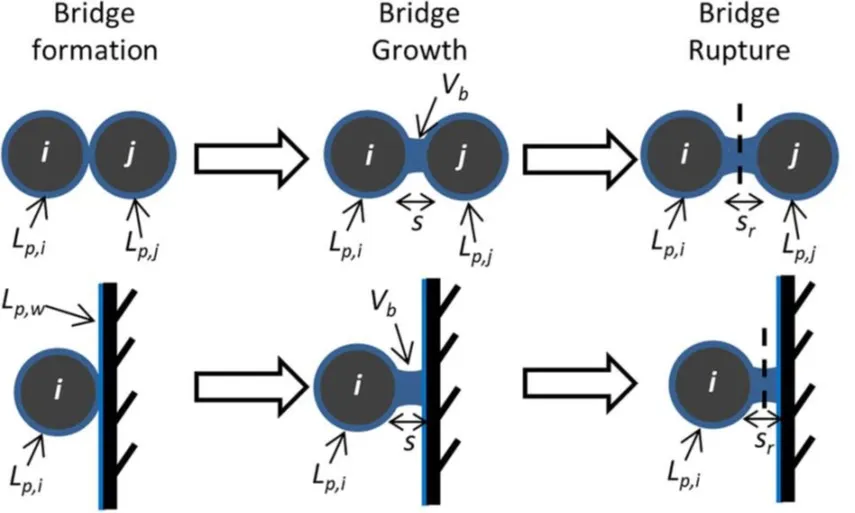
This ONR-funded project seeks to improve hydrogen-based undersea power by controlling granular segregation in aluminum-water reactors. Utilizing combined gas flow and vibration, we seek to control the rate of segregation of granular particles on the basis of particle size and density. We seek to use these insights not only to power sea vehicles but also to improve the sustainability of mining and the efficiency of pharmaceutical production.
MRI of Bubbly Flows
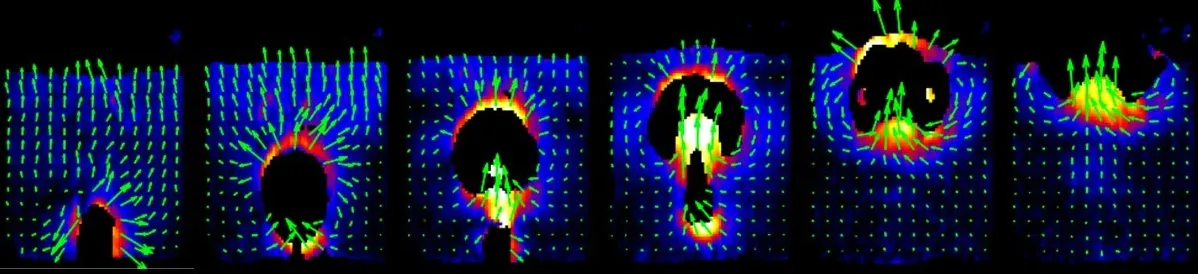
This NSF-funded project seeks to study the dynamics of bubbles in fluidized beds and dense suspensions using magnetic resonance imaging (MRI), advancing MRI techniques as needed to image these flows. Ultimately, we seek to produce rapid, fully 3D images of bubbles as well as the velocity of fluid and particles surrounding the bubbles. The insights from these experiments will be used to improve models of complex bubbly flows for ultimate application to geophysics and engineering systems.
News
Oscar Punch starts a faculty position at the University of Canterbury
Congratulations to our postdoctoral research scientist Oscar Punch, who will be joining the Department of Chemical Engineering as an assistant professor at the University of Canterbury in Christchurch, New Zealand.
Christophler Spitler Ph.D. Defense
Christophler Spitler successfully defended his Ph.D. thesis. Highlights of his Ph.D. include a first author paper in the AIChE Journal titled Asynchronous background gas pulsation in spouted beds: Effects on spout oscillation and mixing and another first author paper in the International Journal of Hydrogen Energy titled Controlling activated aluminum hydrolysis via water injection rate. Congratulations Chris!
Gas Pulsation Induced Oscillations in Spouted Beds study published in AIChE Journal
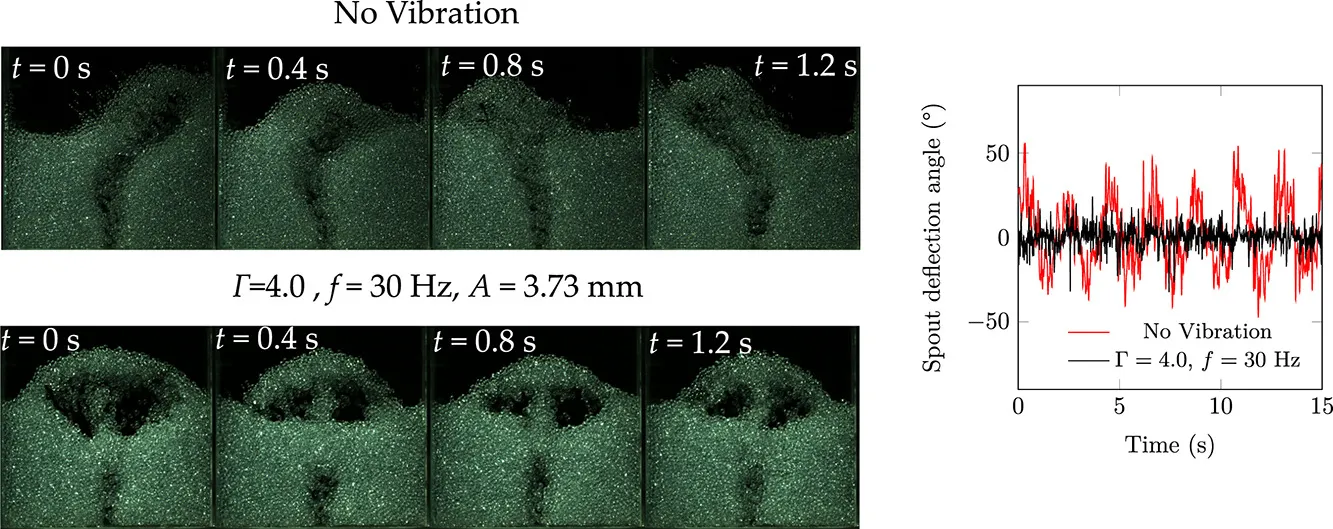
The article Asynchronous background gas pulsation in spouted beds: Effects on spout oscillation and mixing was published in the AIChE Journal. This study consisted of both experiments and CFD-DEM simulations for probing the effects of gas pulsation on spout oscillation and mixing. It was demonstrated that spout oscillation can be actively controlled by pulsing the background gas flow asynchronously. Numerical simulations are used to investigate the underlying mechanisms responsible for this behavior.
Photos
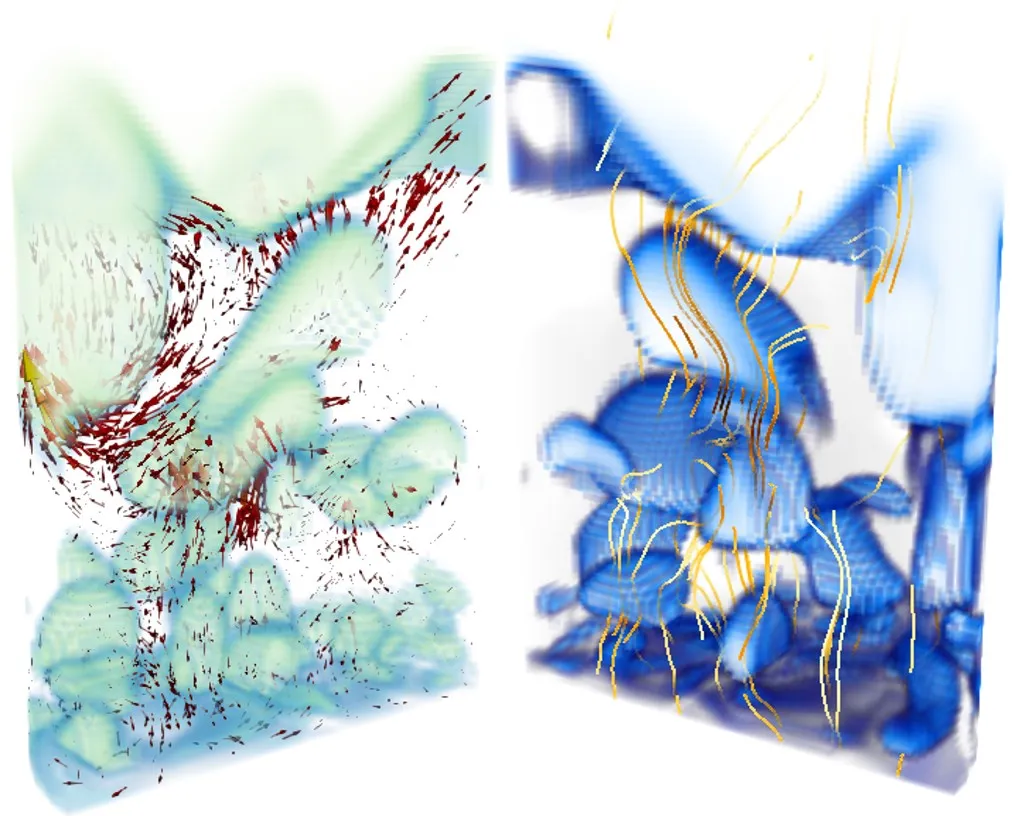
coverart2021
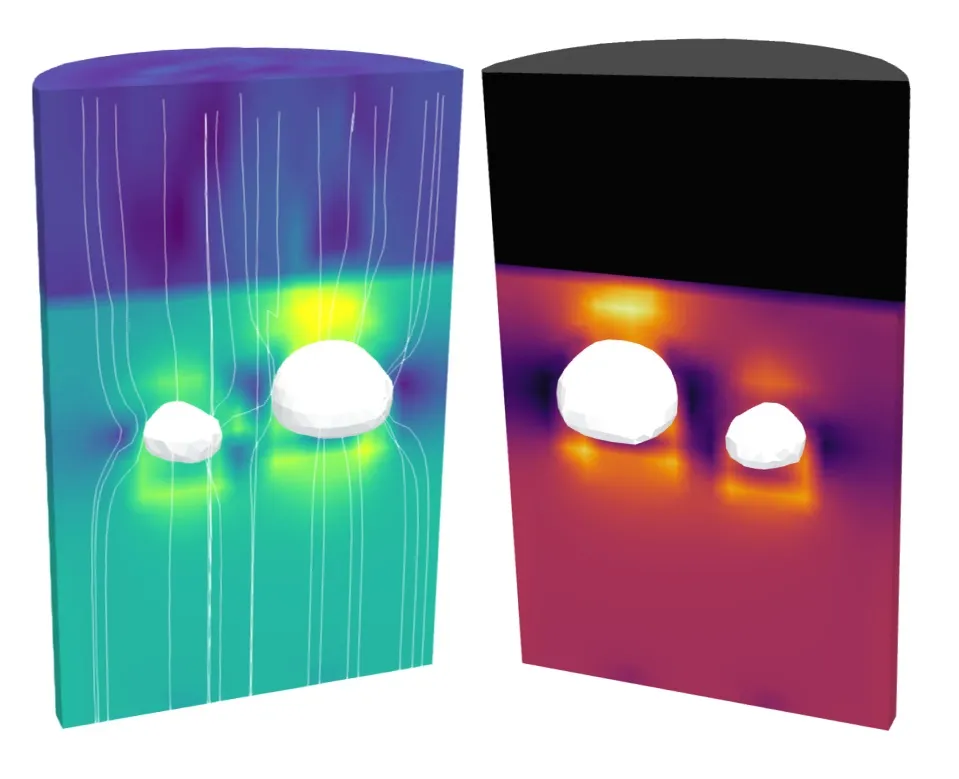
Modeling of bubble collapse due to bubble interaction in a fluidized bed

Granular Bubble Forming and Rising